Dataset description
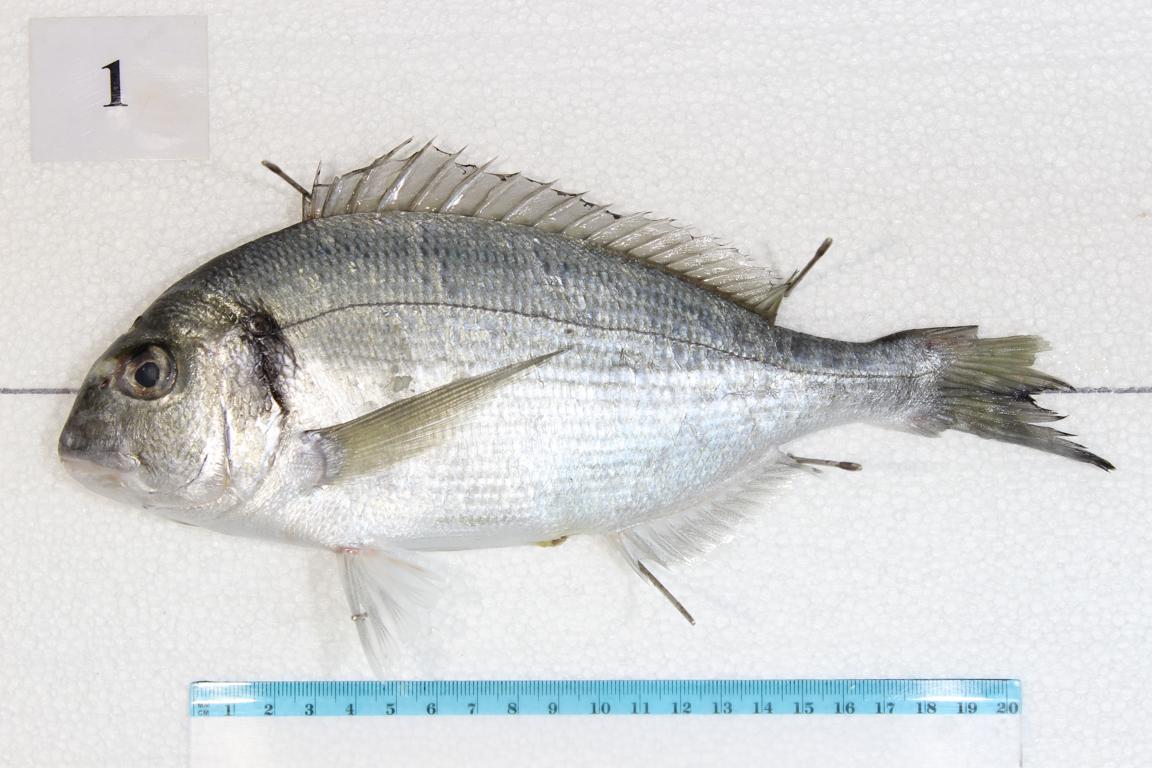
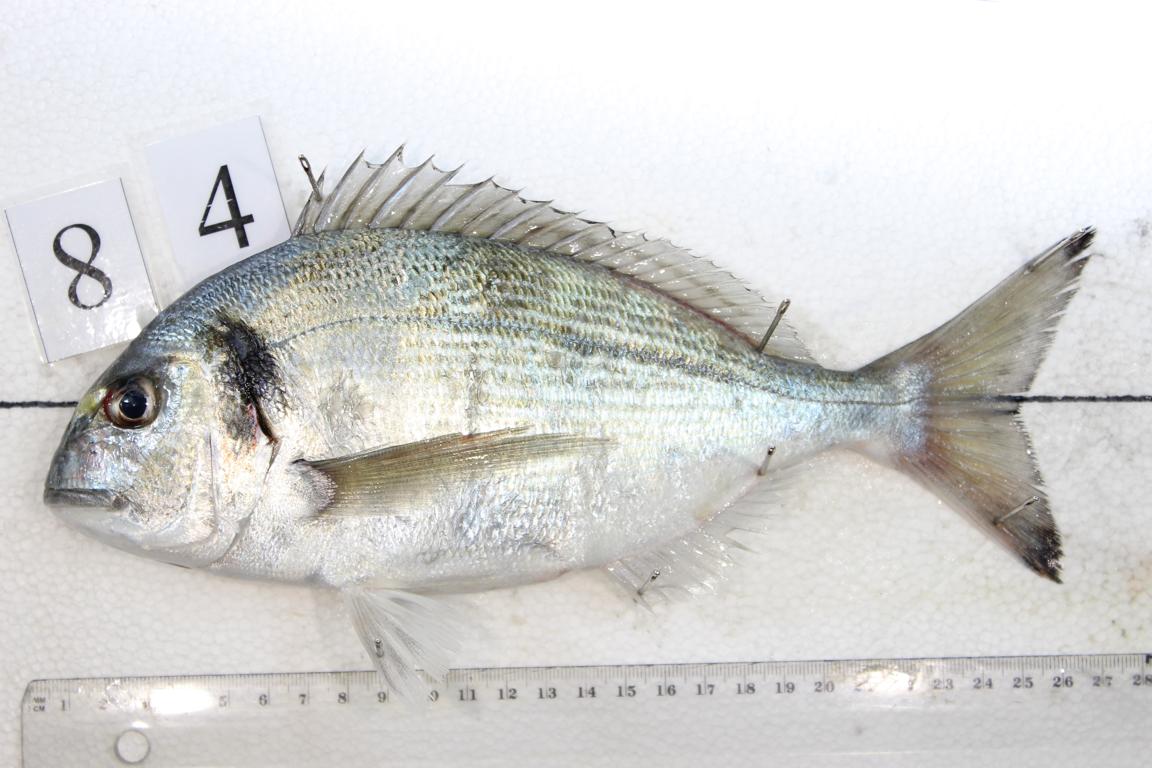
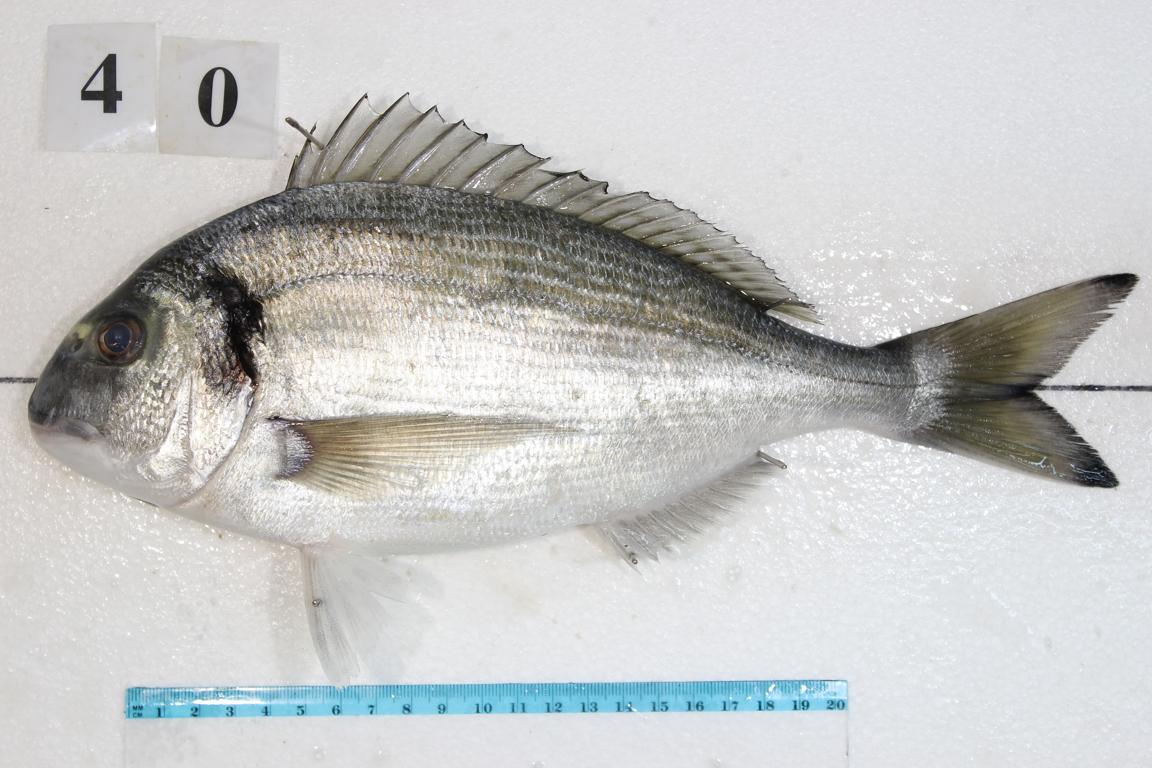
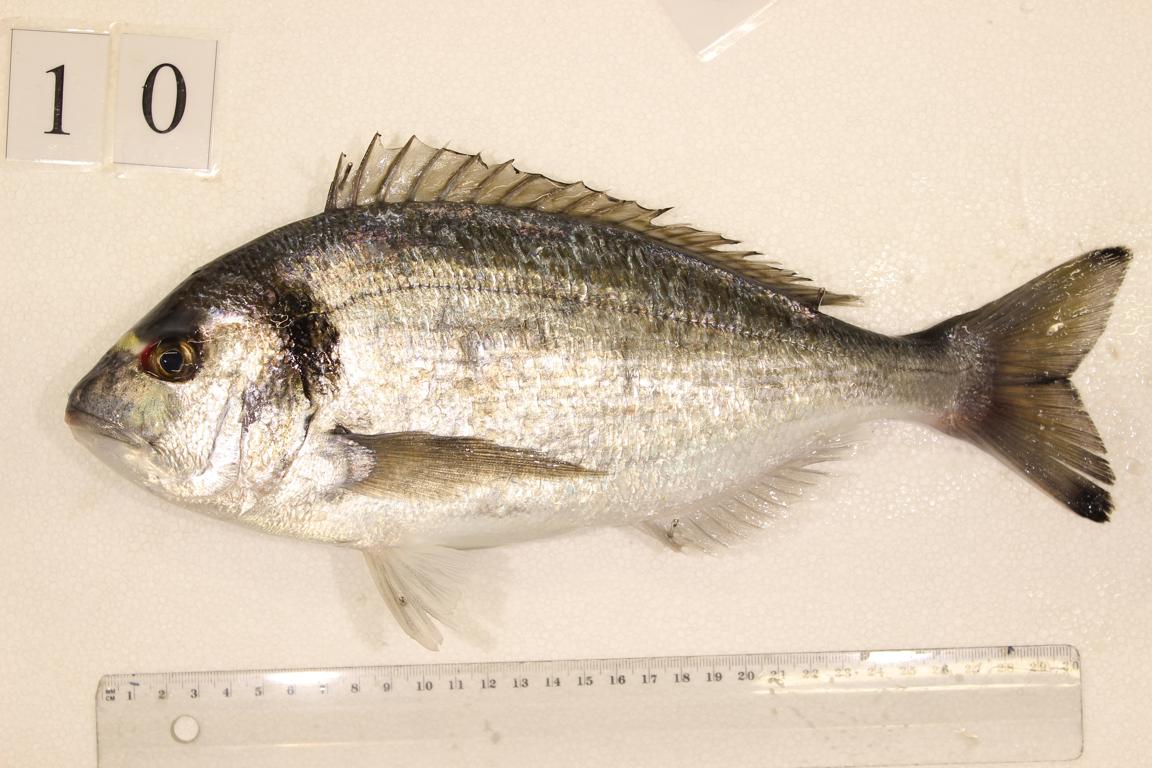
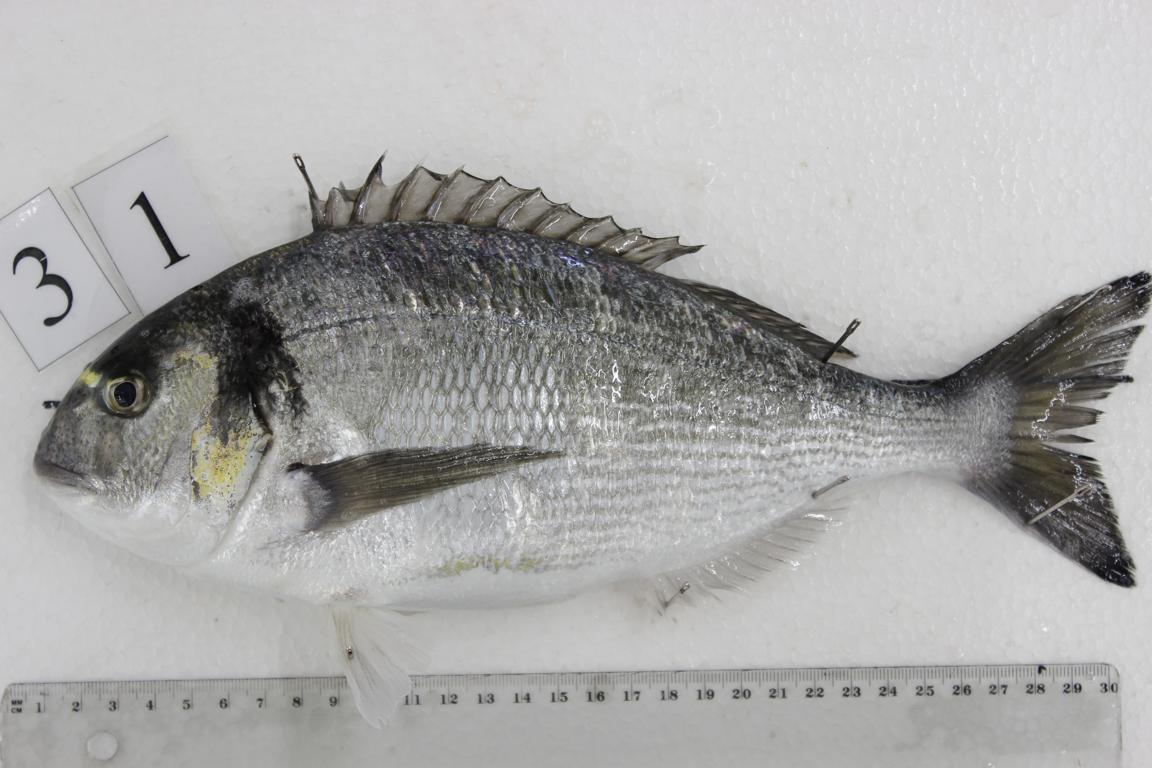
SPARUS-LD dataset contains 2052 high-resolution images
of gilthead seabream (Sparus aurata) specimens
annotated with 18 landmarks/keypoints.
Additionally, each specimen is associated with one of the three classes according to its origin:
wild, farmed, or farm-associated.
We split the dataset into training, validation and test sets. The table below shows the distribution of origin in each set.
| Origin |
Training |
Validation |
Test |
| Wild |
419 |
97 |
190 |
| Farmed |
411 |
100 |
324 |
| Farm-associated |
254 |
51 |
206 |
| Total |
1084 |
248 |
720 |
Landmarks are defined as follows:
- anterior tip of snout at the upper jaw
- vertical point above the most anterior point in the eye
- anterior insertion of the dorsal fin
- last spiny ray of the dorsal fin
- posterior insertion of the dorsal fin
- dorsal point at the least depth of the caudal peduncle
- posterior body extremity
- ventral point at the least depth of the caudal peduncle
- posterior insertion of the anal fin
- anterior insertion of the anal fin
- insertion of the pelvic fin
- ventral tip of the insertion of the operculum on the lateral profile
- point of maximum extension of the operculum on the lateral profile
- anterior extremity of the lateral line on the head profile
- dorsal insertion of the pectoral fin
- ventral insertion of the pectoral fin
- the most anterior point in the eye
- the most posterior point in the eye
Below you can see a couple of examples from our dataset. Hover over the keypoint for description.